
Packraft Ultima Snape


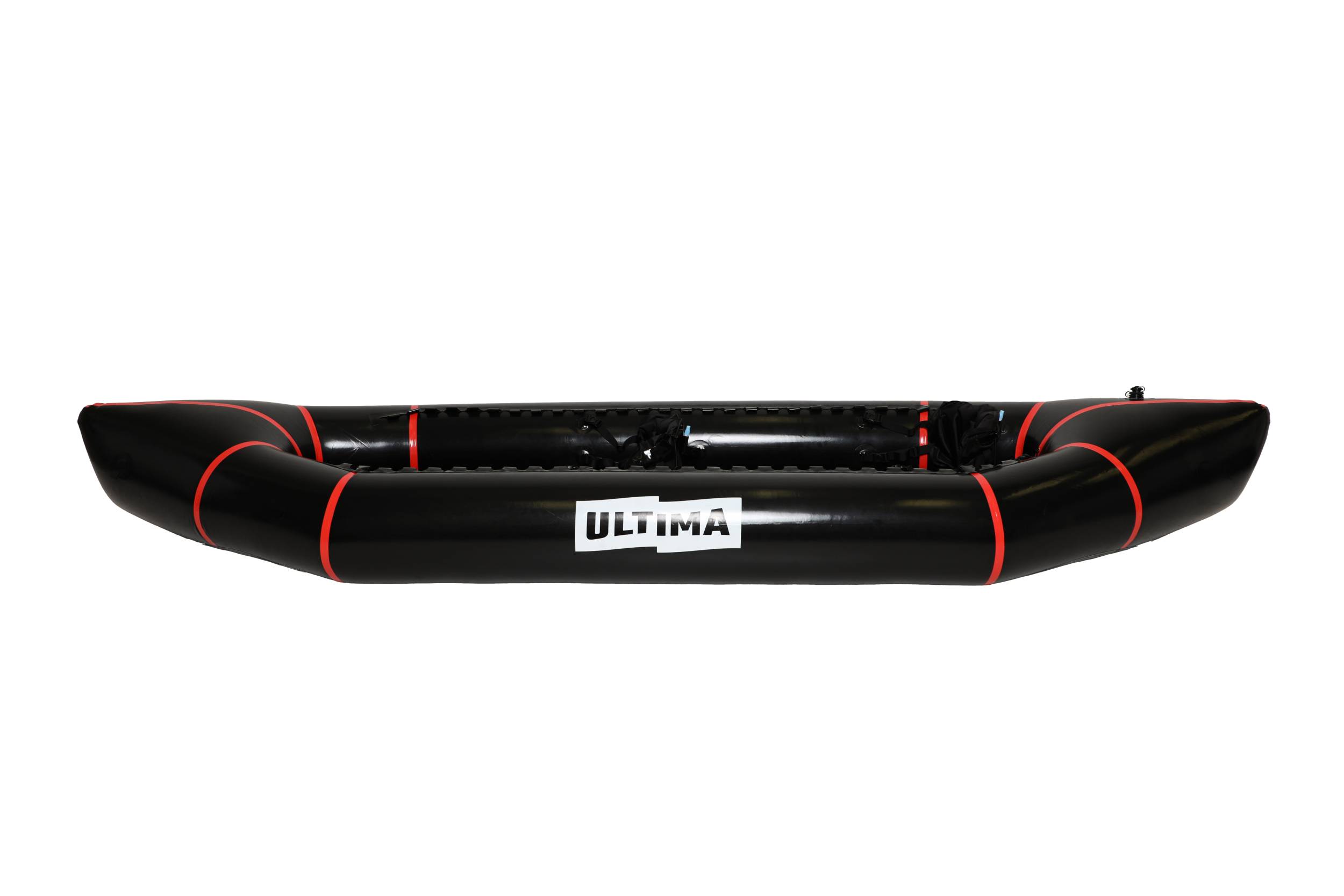
We wanted double that can handle even wilder waters. ... the result is Snape. A packraft that can be used as a kayak or canoe (sitting or kneeling) with a self-bailing hole that can handle even difficult white water up to WW III.
We equipped Snape reinforced TPU 840D floor and TPU 420D tubes, just like our Eddy packraft kayaks designed for whitewater.
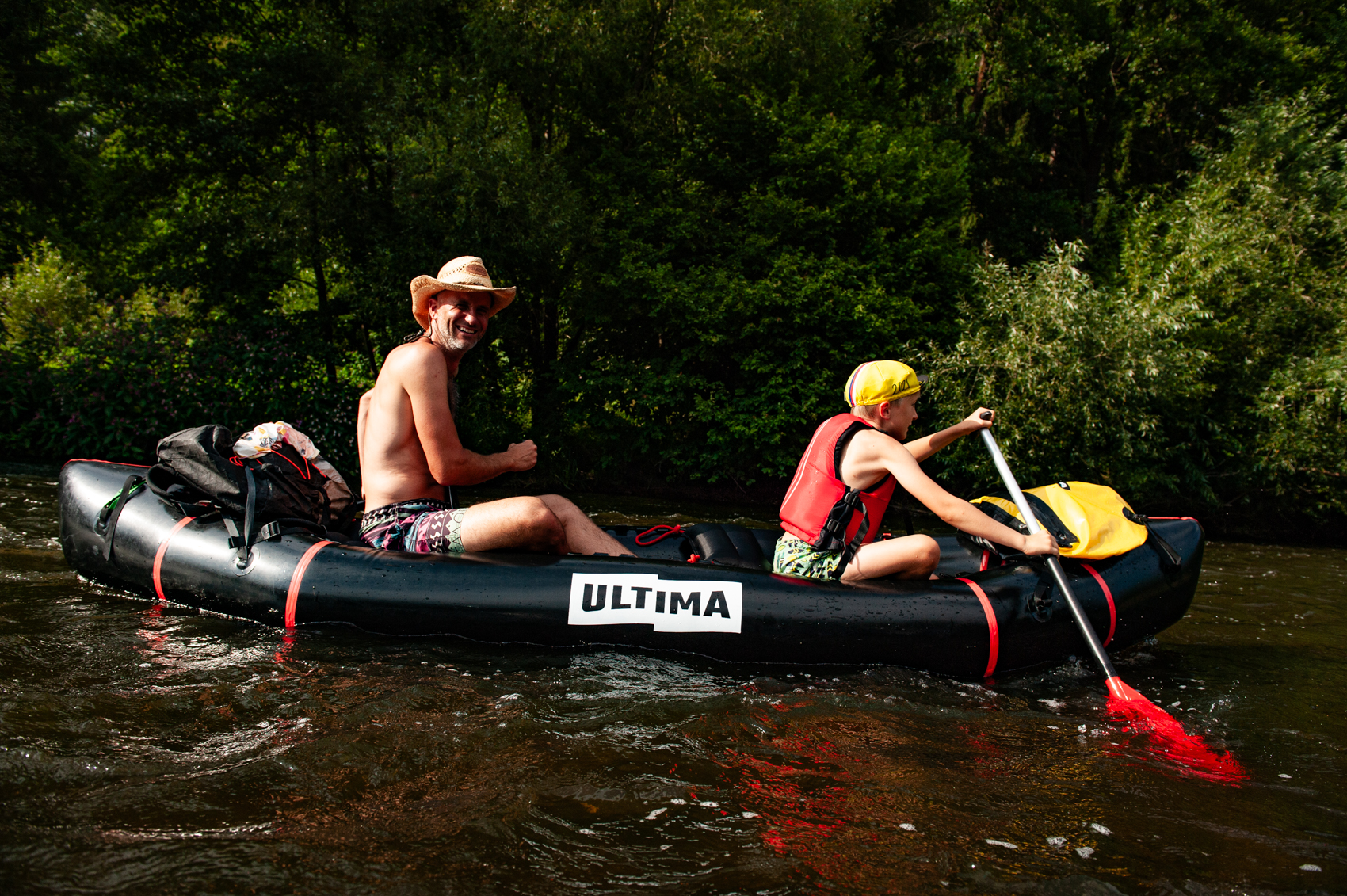
You can set off with either the "kayak version" of the packraft or with canoe seats for use in both a seated and kneeling position. That is why the boat is also equipped with removable inflatable floor.
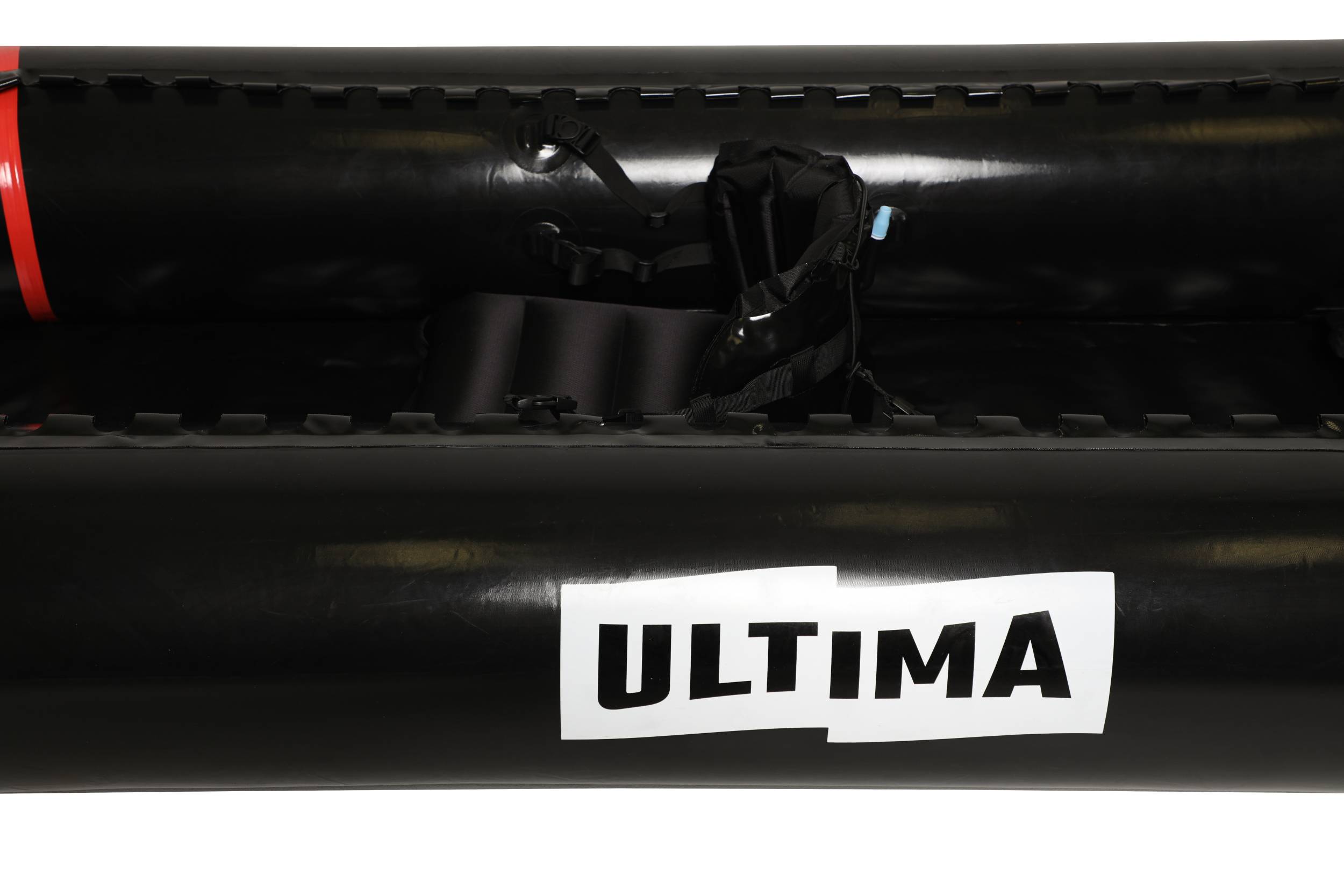
Canoe seats can also be placed on the packraft according to your preferences, thanks to a system of numerous eyelets along the entire length of the boat.
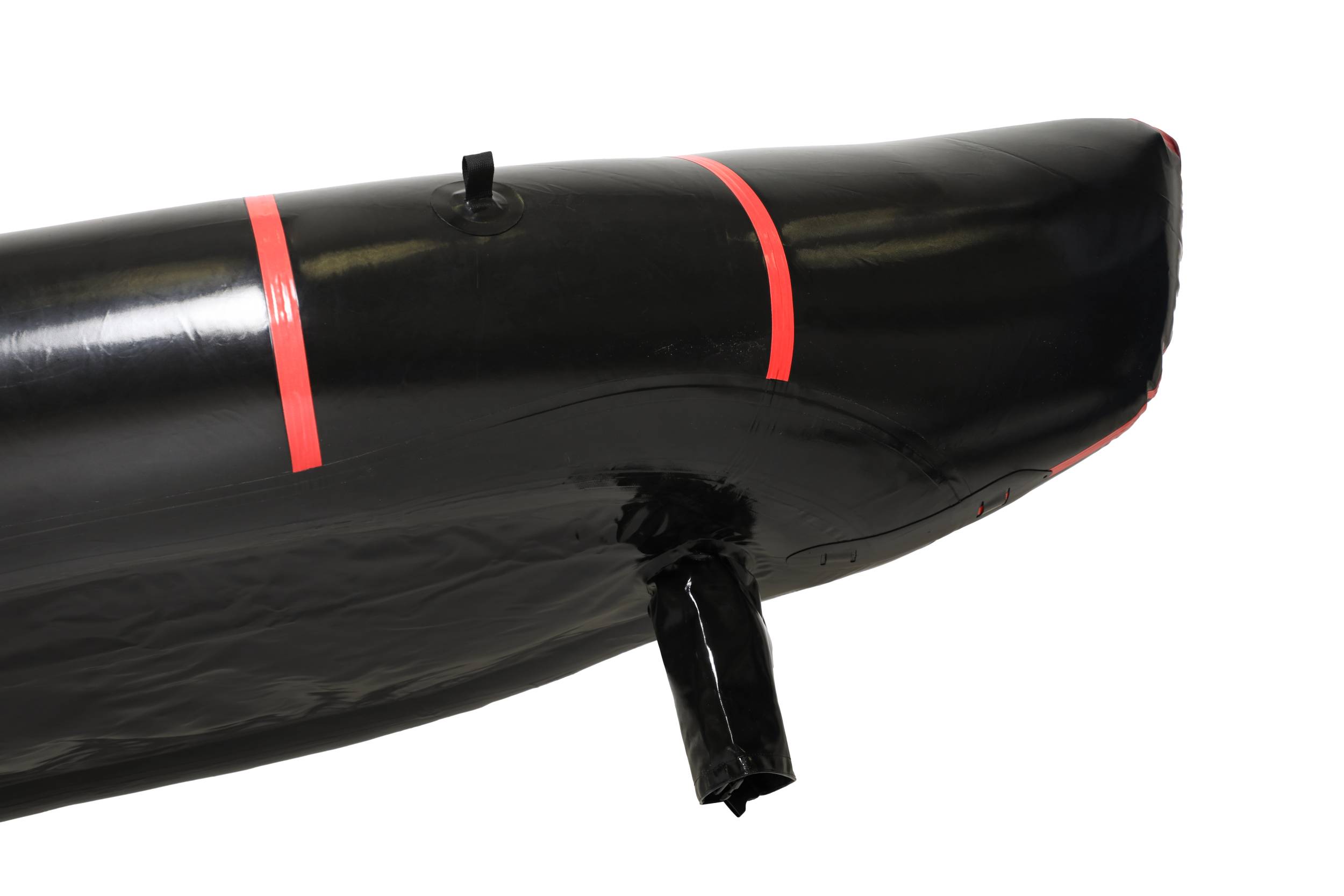
The packraft is also equipped with a self-bailing, closable opening in the rear of the boat.
Basic packraft equipment
The Snape packraft is equipped with everything you need to set sail.
Seats
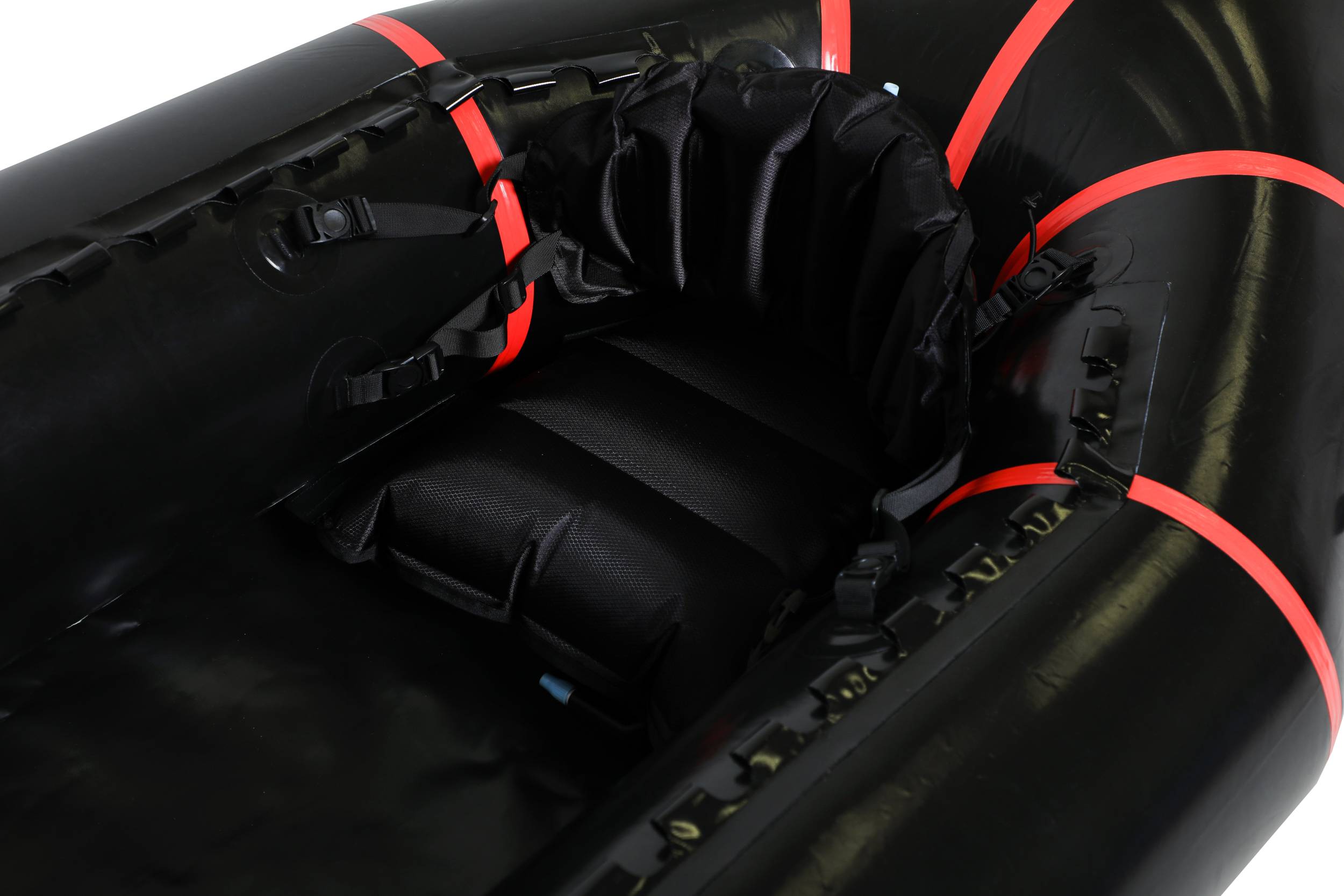
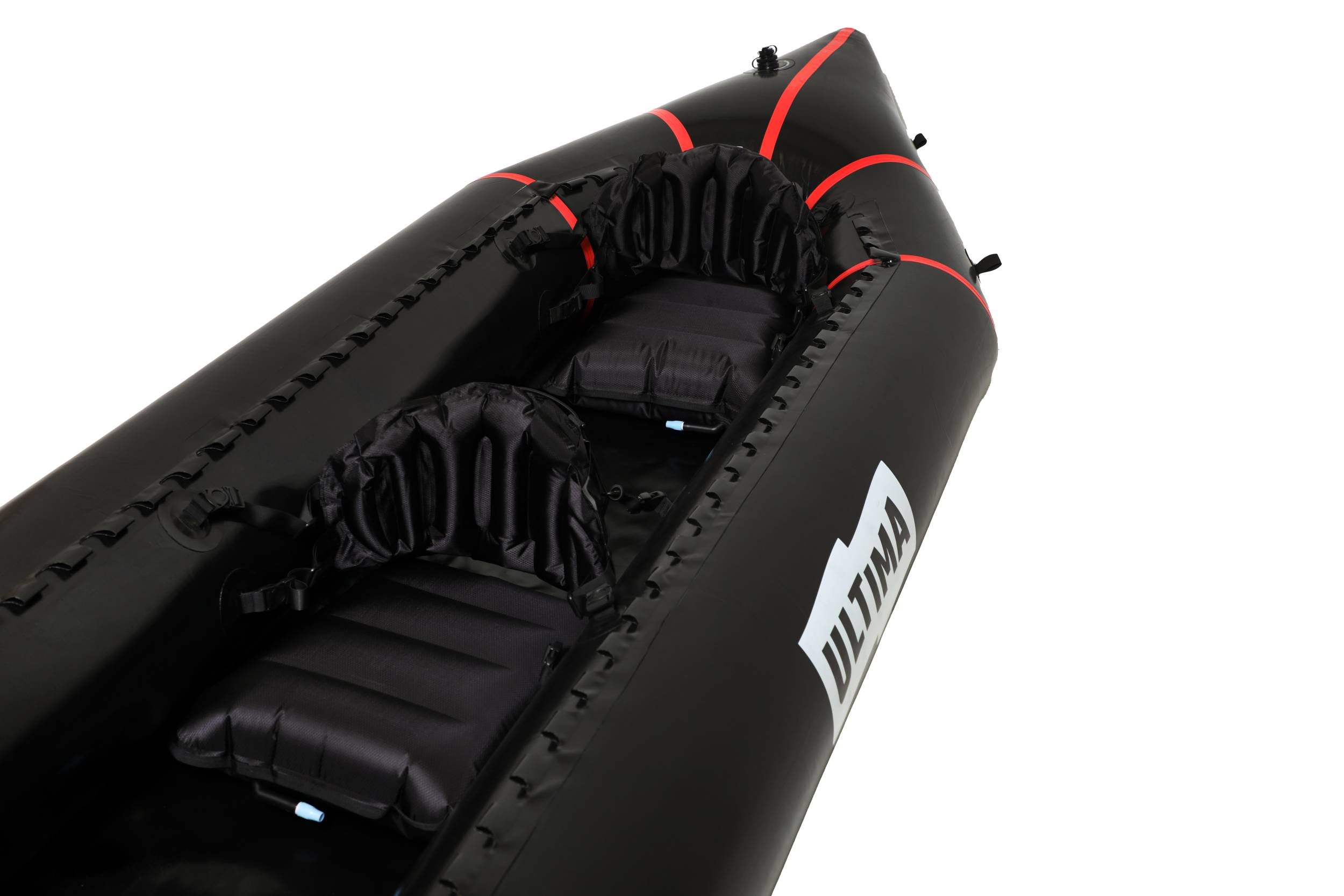
The boat is equipped with a rear inflatable seat and inflatable backrest, and a front inflatable seat with a kayak backrest secured by four points. This setup is ideal for use with kayak paddles.
The boat is also equipped with seats for using the packraft as a canoe, both in a sitting and kneeling position.
Removable inflatable floor
The boat is also equipped with a removable inflatable floor, which you will appreciate especially when using the packraft as a canoe.
The boat also includes 4 loops on the bow and 4 on the stern for securing cargo.





Optional equipment
Packraft can also be fitted with optional accessories (tick when adding items to your basket).
TIZIP
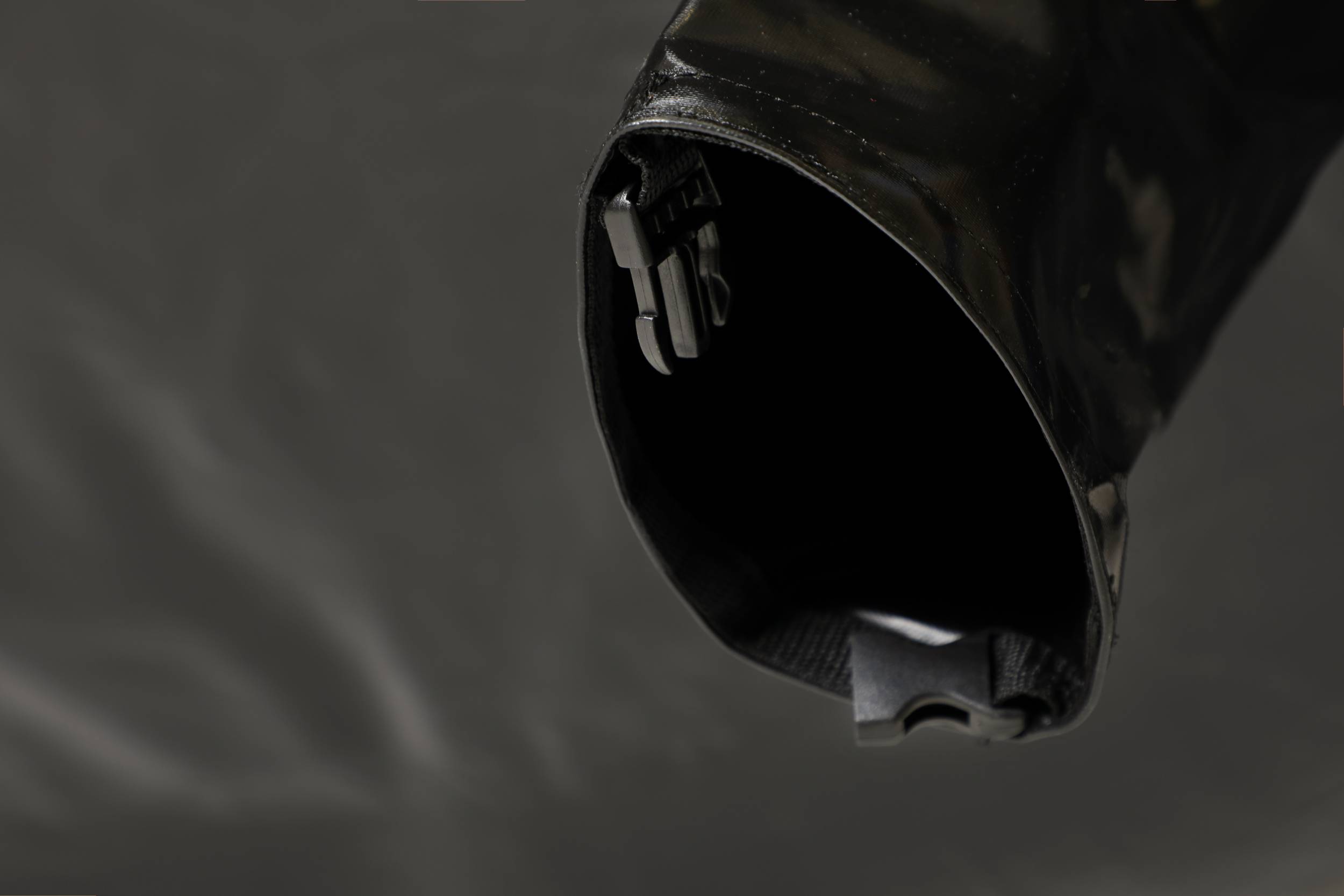
Snape is available both in a version without storage space inside the boat and with the TIZIP system, which allows the boat to be opened and cargo stored inside.
Skeg
The Packraft is also equipped with a skeg clamping option for better directional control in calm water and deeper water.
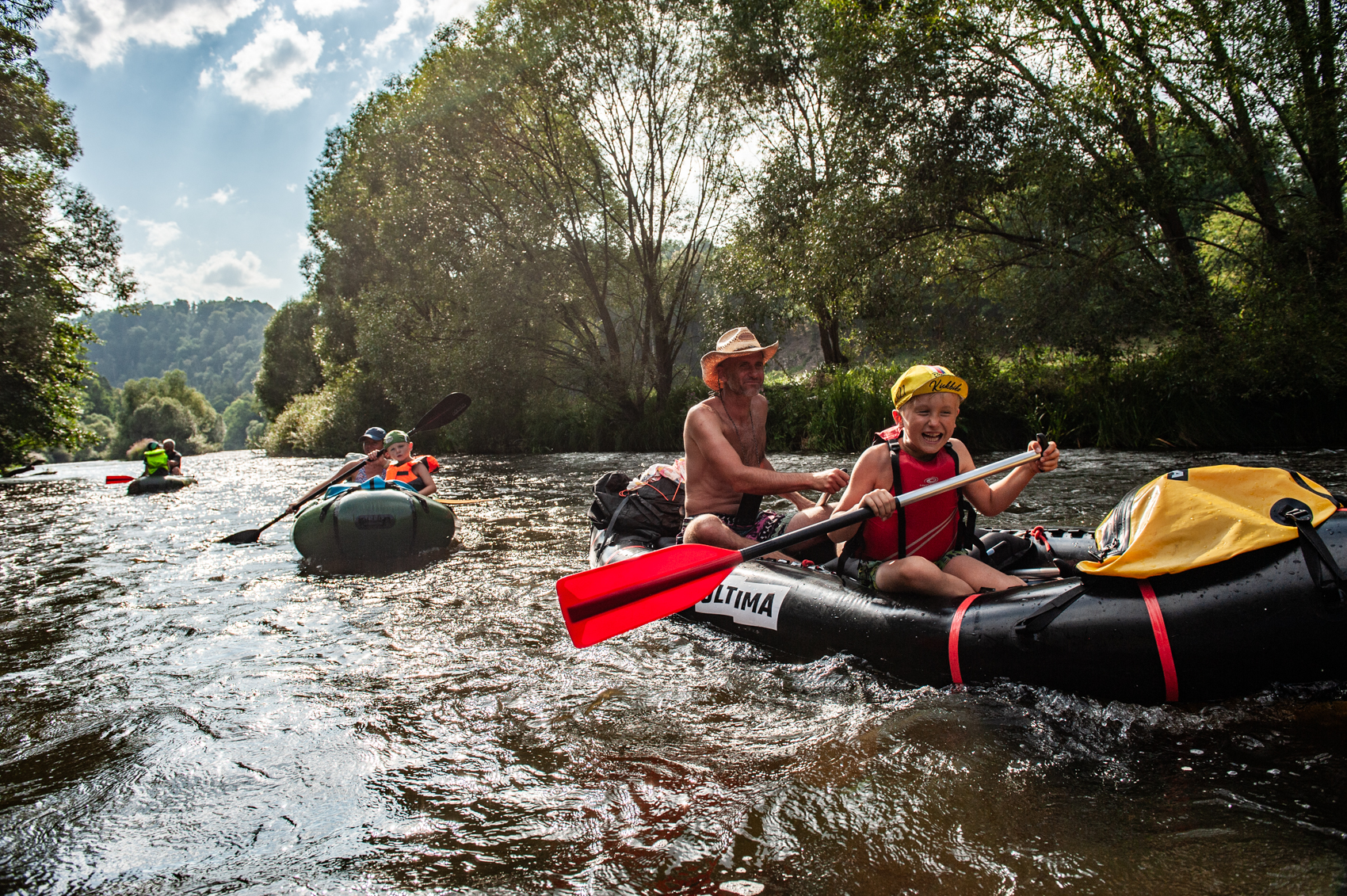
Who is Snape for? Compared to its little brother, the Toronto, you will appreciate the Snape wherever the water is wilder and flows faster. The boat is faster and more maneuverable than the Toronto, but also slightly less stable. It can handle white water up to WW III difficulty.
However, Snape is not just for white water. Thanks to its design, it also travels faster on calm water – compared to Toronto, it can carry slightly less cargo.
Who is Snape not for? Snape is not for complete beginners, even in the packrafting sense, as it is still a more stable vessel than a classic plastic canoe. So it is actually for everyone except those who want to transport really large loads.
And what do we say? It's flowing, and we want to go out in pairs? Or do we want to have a nice ride kneeling on a canoe? We'll take Snape.
And why Snape, exactly? He reminds Honza of a professor from Harry Potter. So maybe he'll conjure up some nice boating experiences for you too.
STAY WILD, BE FREE!
#staywildebefree #slodivbatohu #snape
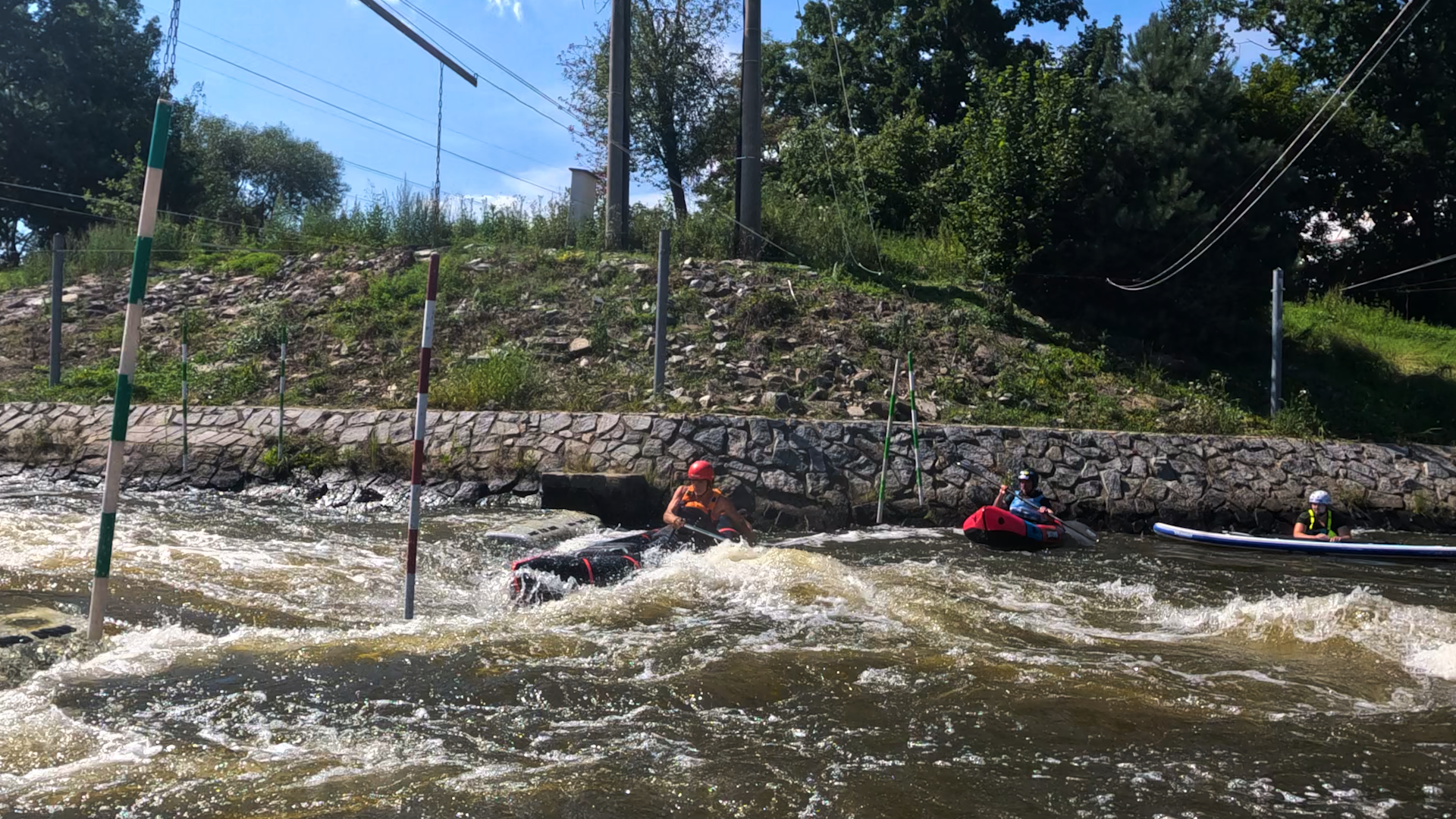
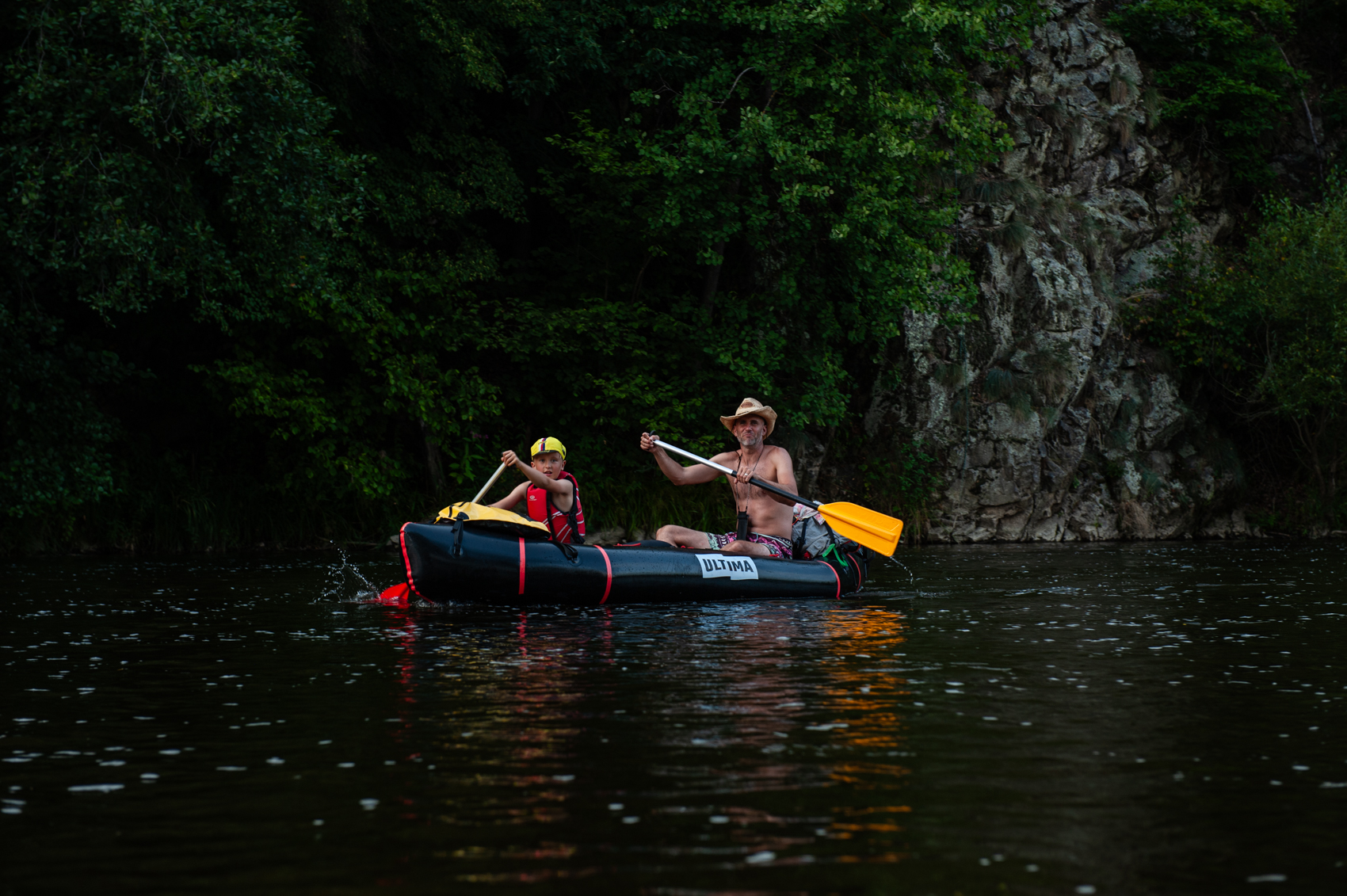


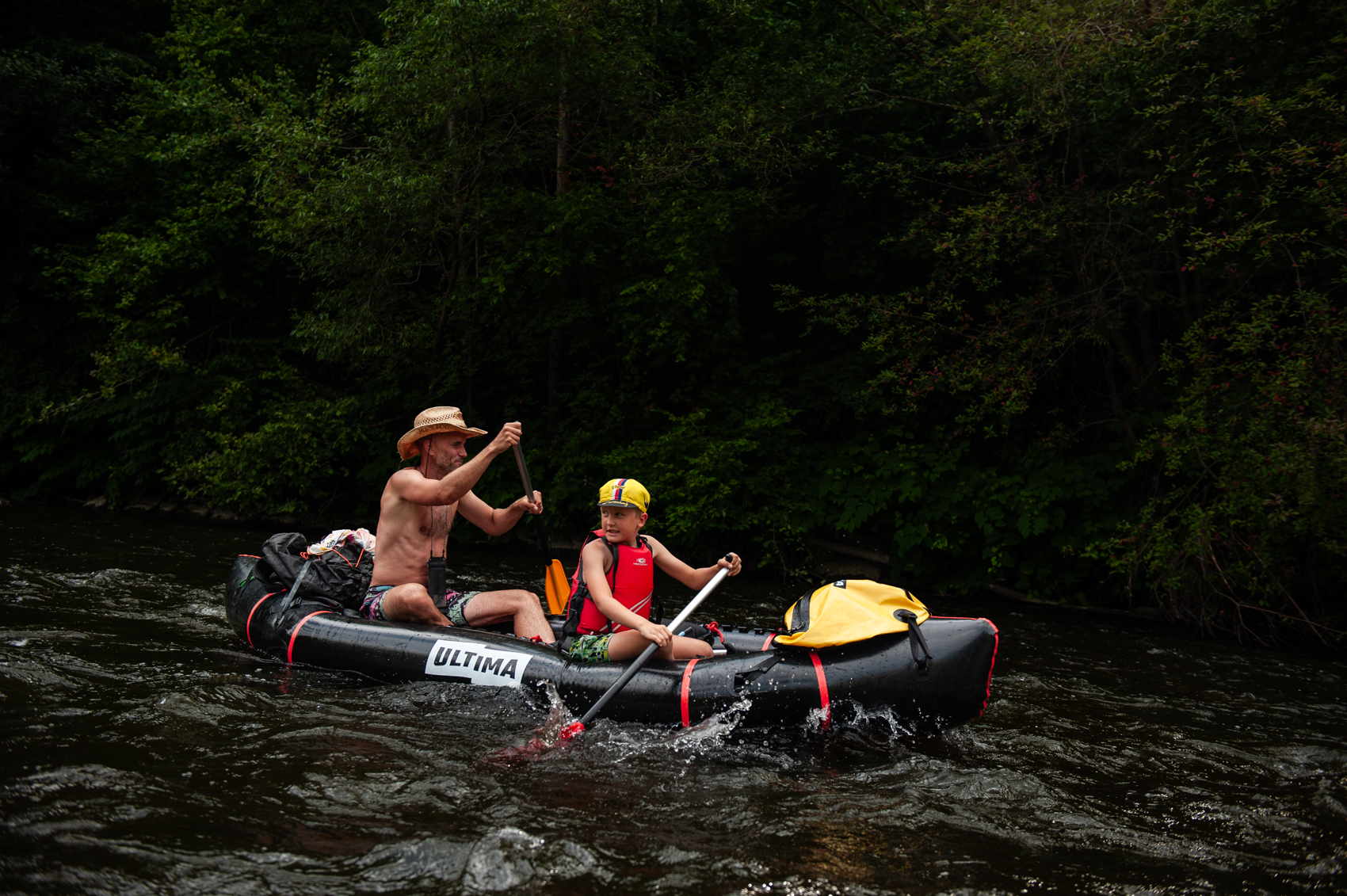

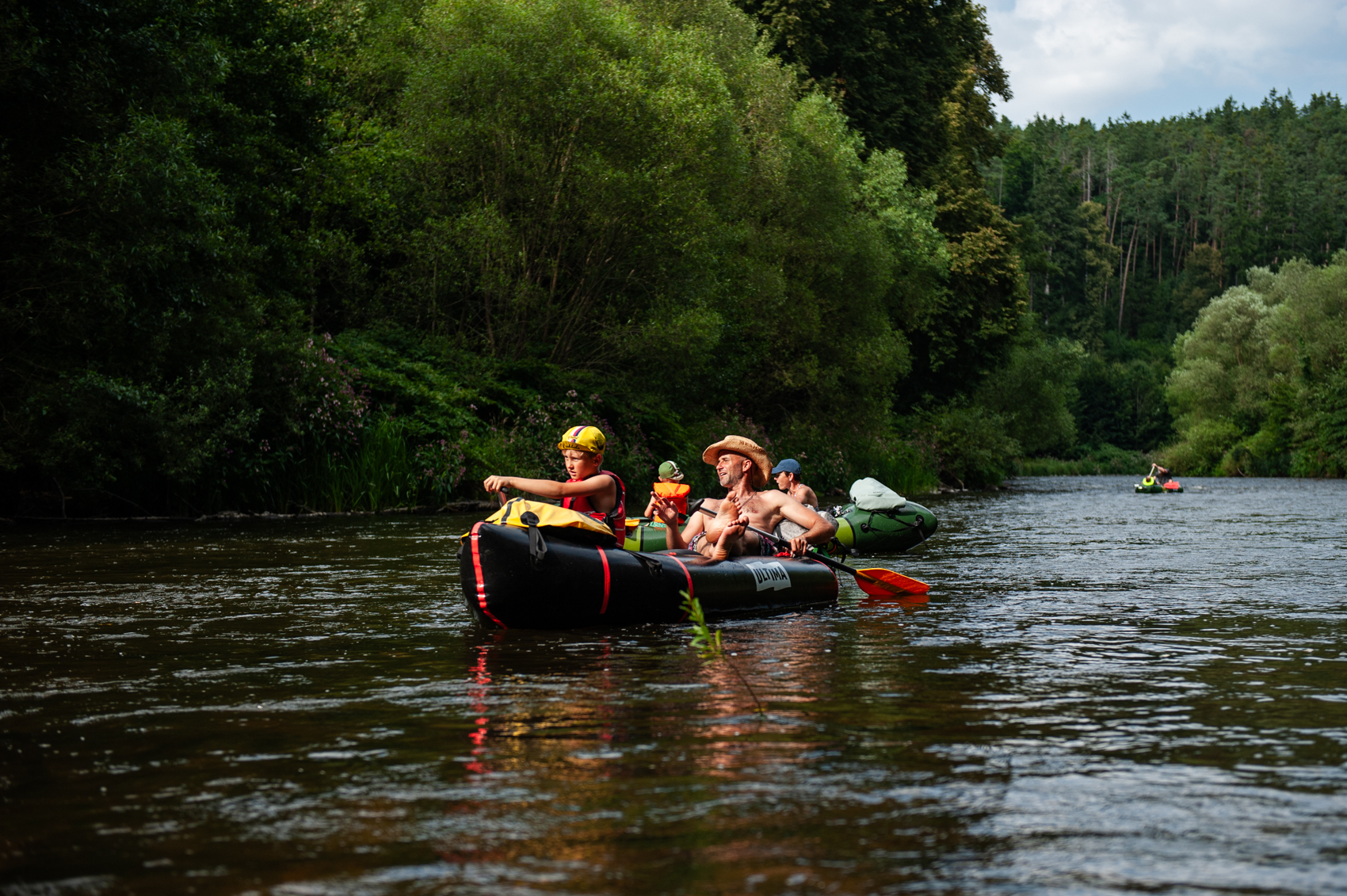
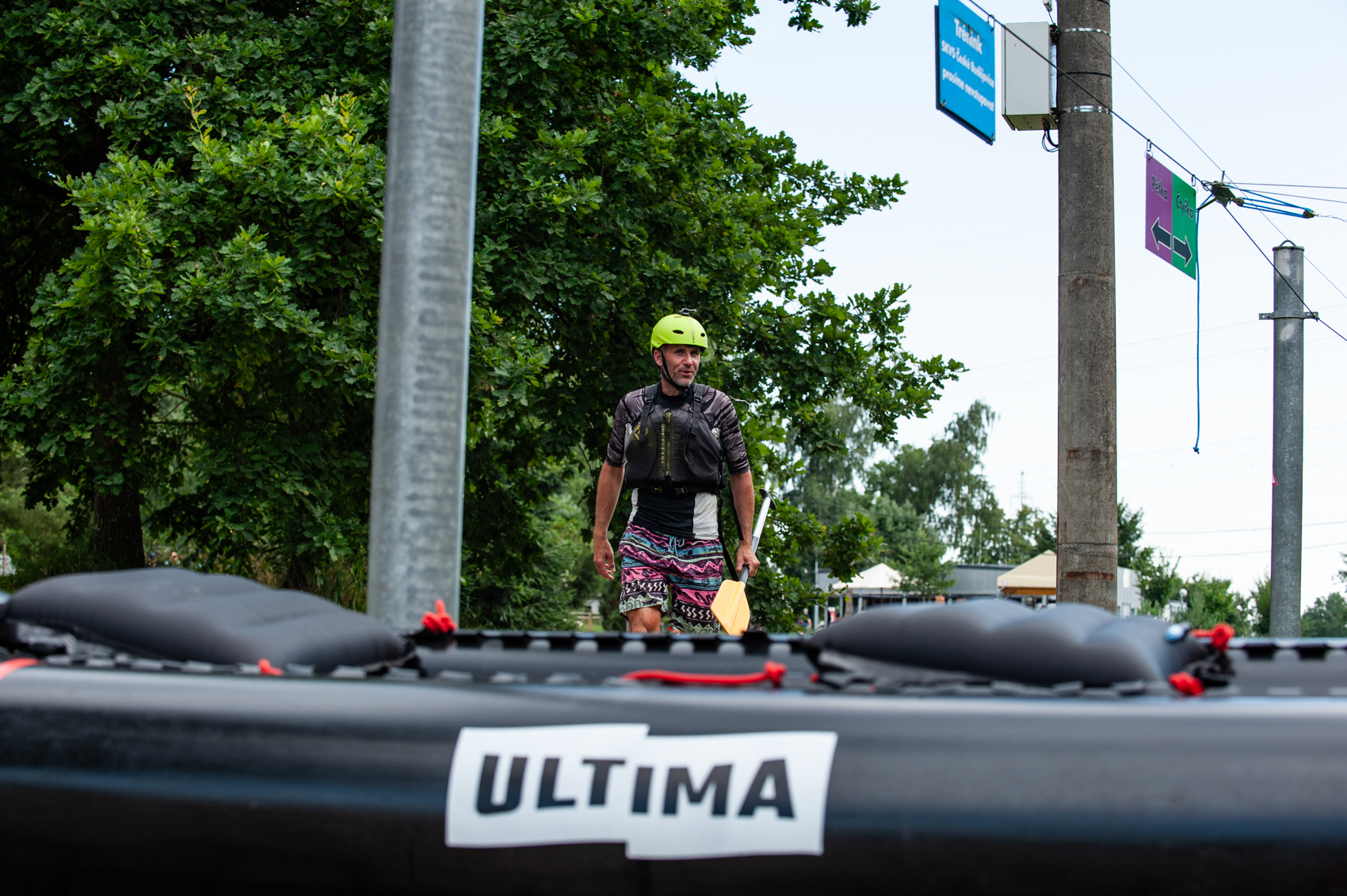
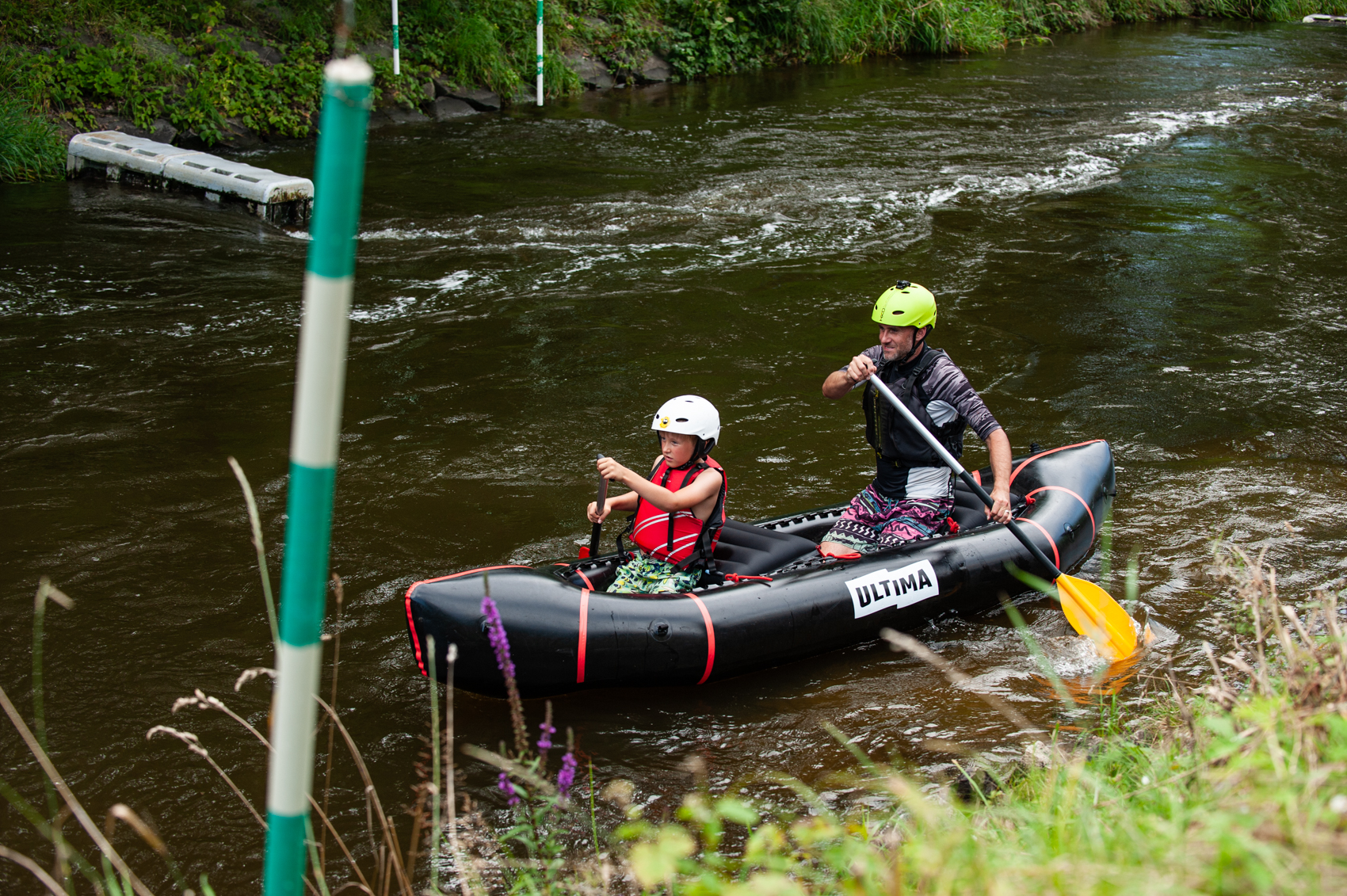
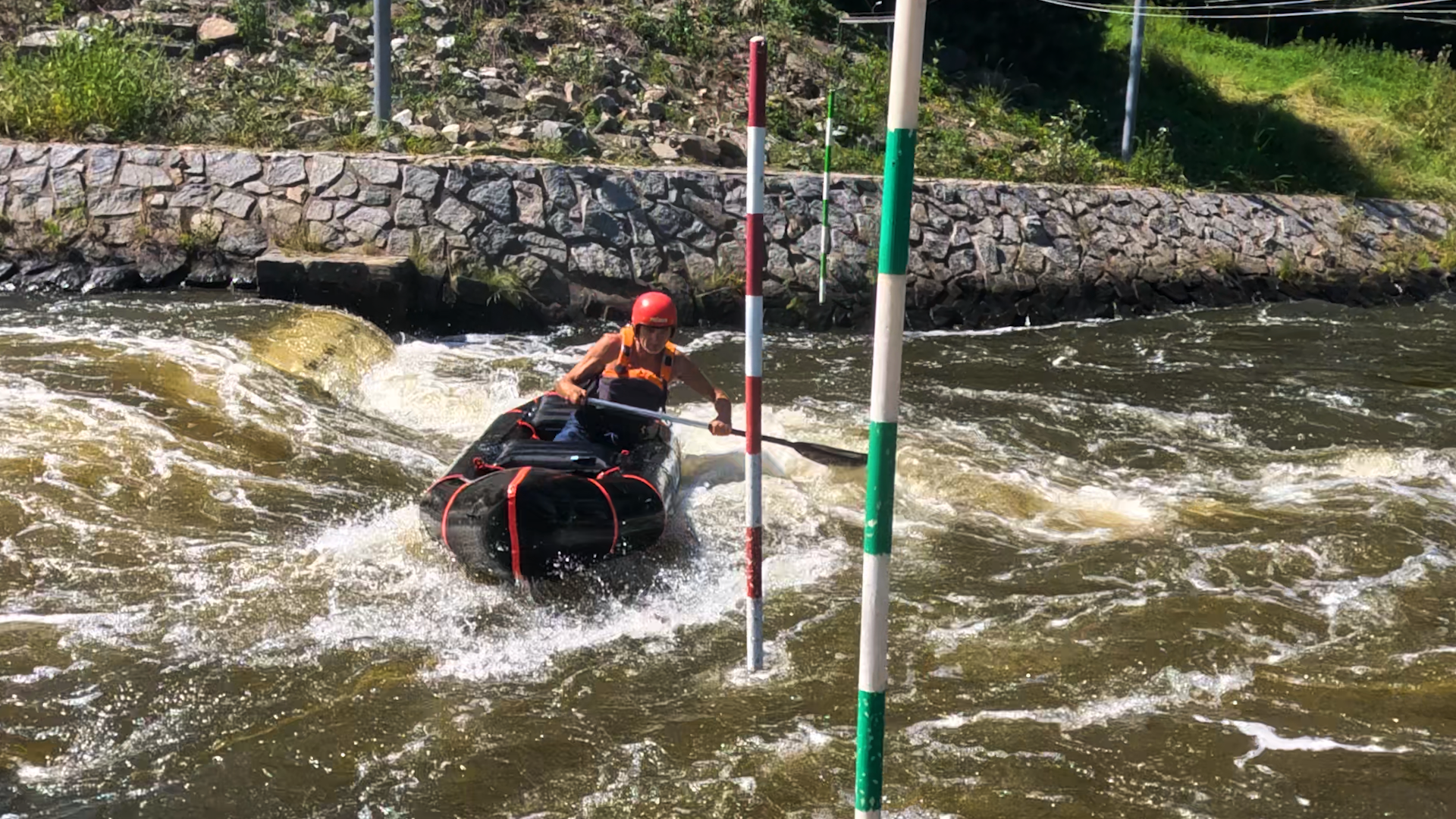

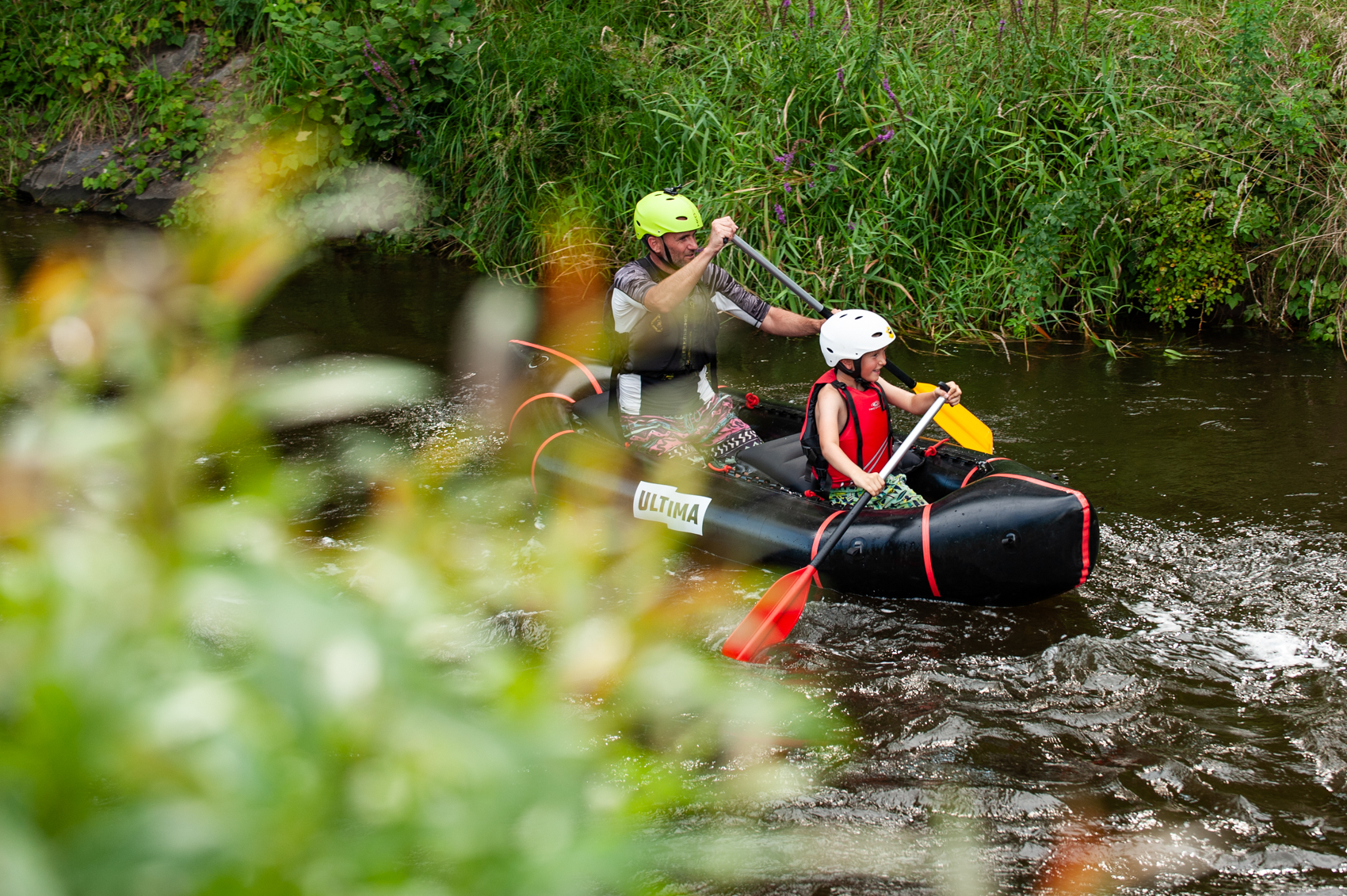


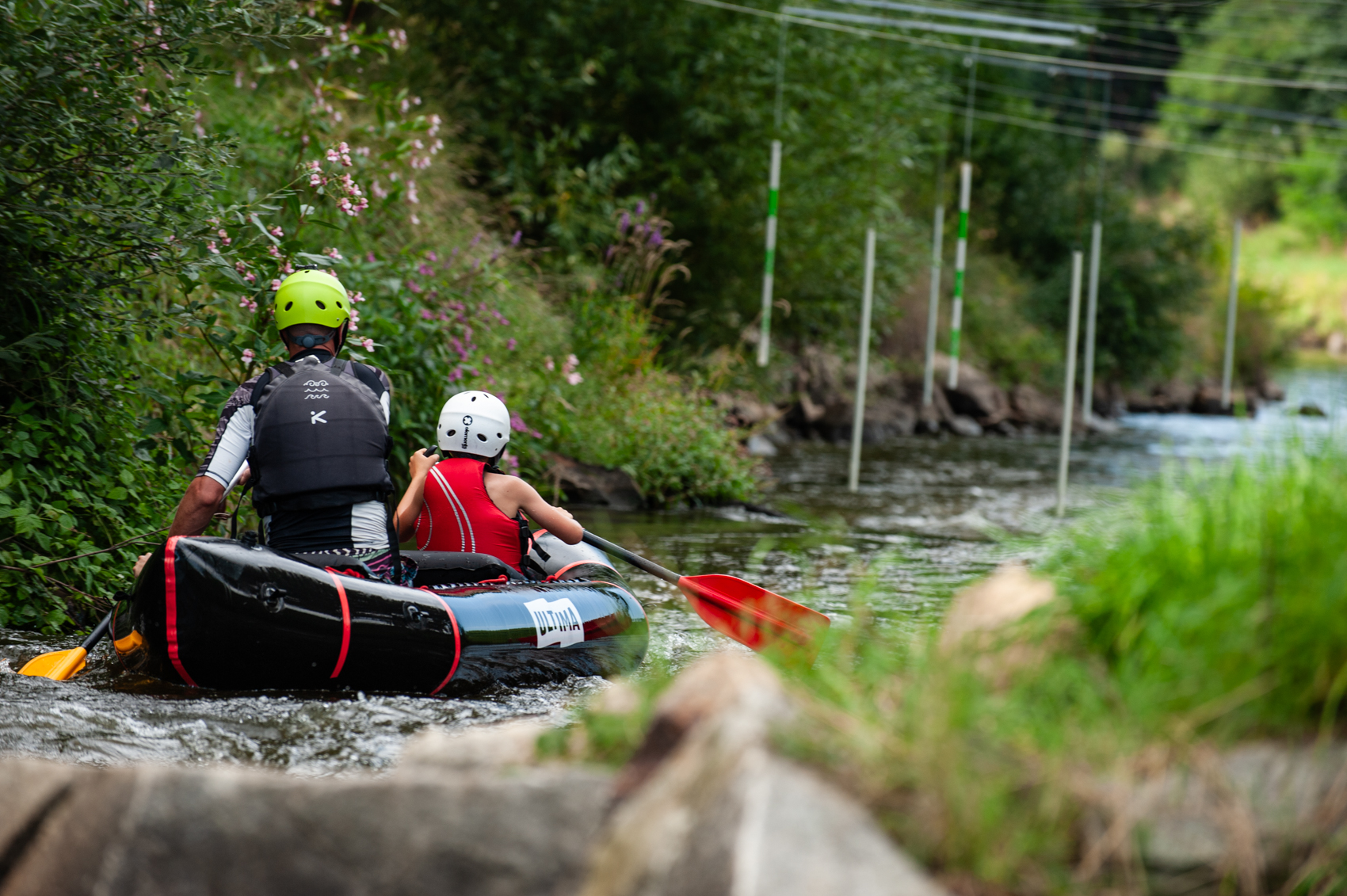
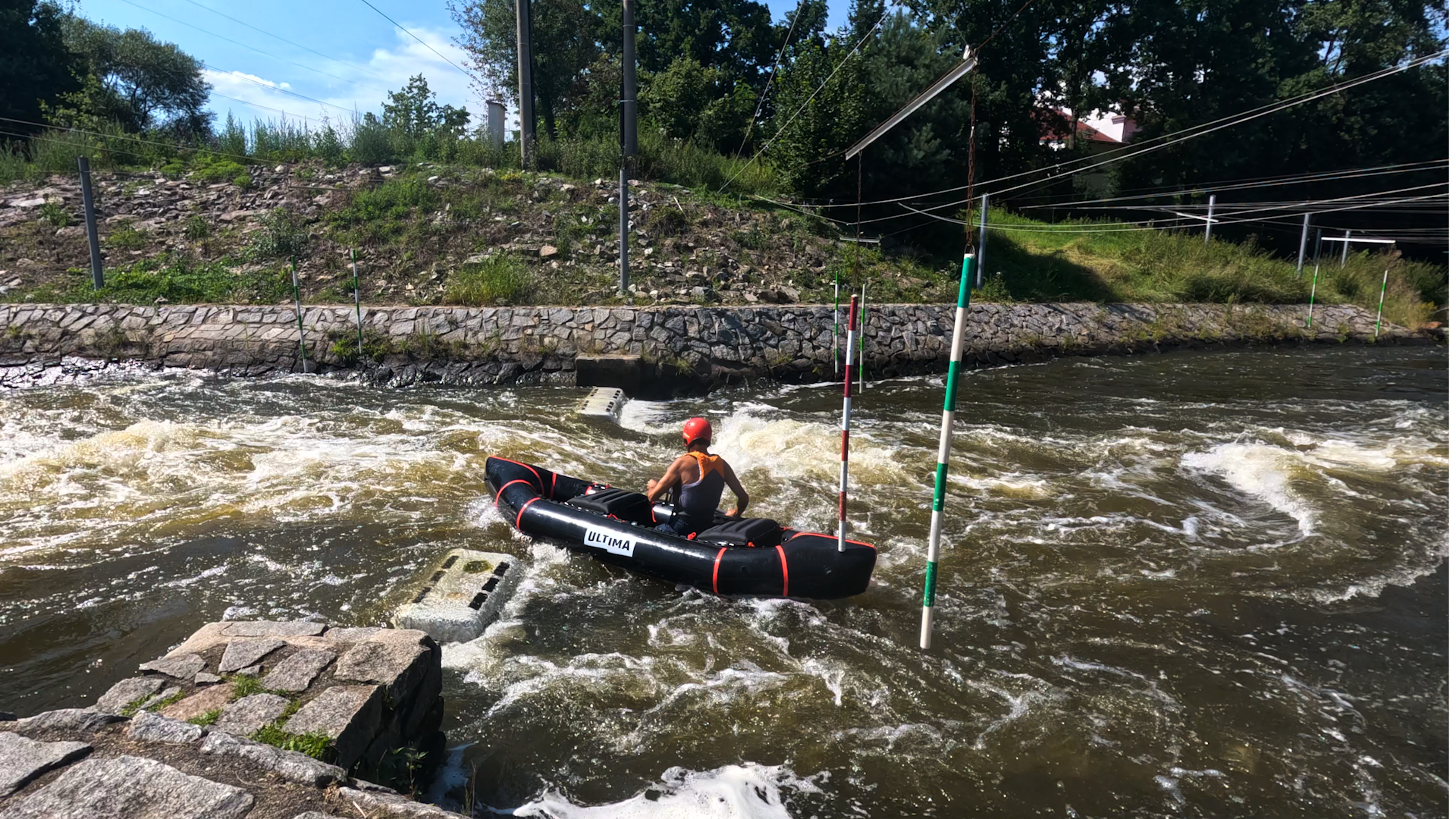
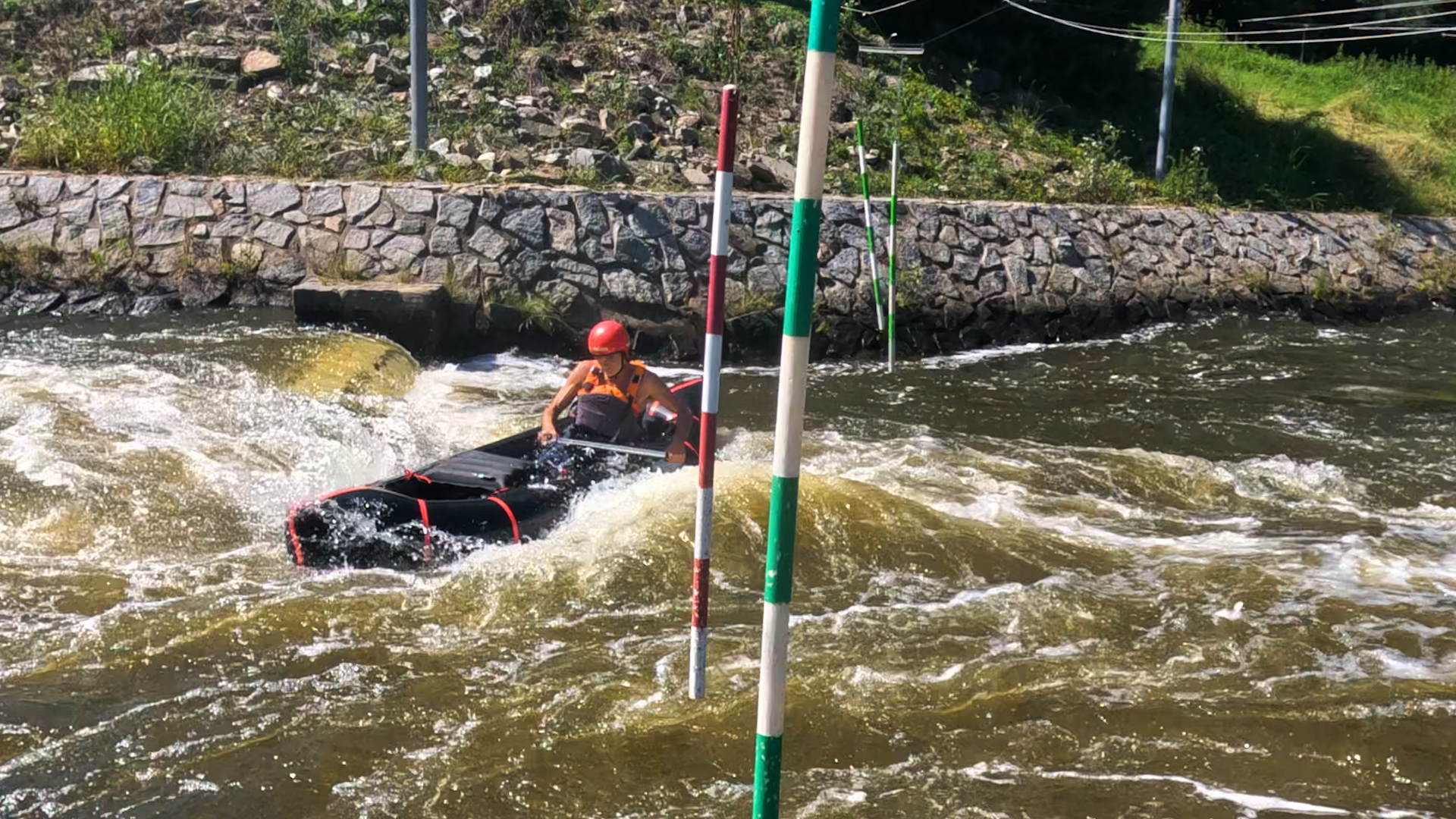
Choose the packraft primarily according to what you intend to do with it. As with a bike, there is no such thing as a packraft that is great for everything. You'll have a hard time carrying big loads with a wild water special, and conversely, you can't jump waterfalls with a boat designed for fishing.
Next, consider whether you can easily fit into the boat - if it should be too small for you, go for the larger version.
And at the very end, deal with the little things. Whether you need a skeg, whether you use knee straps, skeg, etc.
You can then store whatever you can fit inside the boat. Of course, it is ideal to store the things you need once in a while in the boat, because every time you open the TIZIP, the boat will naturally deflate. Classically, tents, sleeping bags, mattresses, food supplies for the next few days, etc will come in the boat.
Our packrafts equipped with the TIZIP system have an extra buckle inside to which the load can be attached - we recommend using our drybags equipped with an anti-clip buckle.
But not everything has advantages. TIZIP needs to be taken care of, basically all the time. It needs to be cleaned and lubricated not only after every use, but ideally also during multi-day trips and expeditions. Every dirt in the packraft means a reduction in its functionality and therefore probably an air leak from the boat. And of course you don't want that.
Of course, the cargo inside the ship also changes its characteristics and manoeuvrability. In the case of wild water, in general, a small load inside the boat (up to about 15 kg) will always improve its behaviour. With a larger load you will reduce the speed of the boat's reaction to your manoeuvre, but on the other hand you will make the boat a tank that can better cope with, for example, a larger water current that does not necessarily require fast zigzagging etc.
So all this must be considered when choosing a packraft.
Personally, due to our natural laziness, we reach for a packraft with TIZIP only in case of multi-day expeditions, when we need to transport more cargo than can fit on the boat. Then we don't have to worry about the packraft at all, which of course suits our nature 😊.
They last a lot. Much more than it might seem at first glance.
However, always keep in mind that packraft is designed to make the most of its essence. That is a boat that is lightweight, easy to pack into a backpack, and great to store at home. Just a boat you can take anywhere.
For this reason, the Packraft is less robust than, say, other inflatable craft, but weighs many times more and when packed down makes for a separate seventy-litre loom. Logically, therefore, it should last less, or its eventual puncture should be easier.
It's true. A packraft will definitely last less than a conventional raft with the same impact. But you'll still only break through it by a really bad accident. It has to be a really nasty collision with a sharp rock or a piece of metal left behind on a weir. If you are a bit clumsy, you can pierce it with a branch while carrying it, or with a knife blade while cutting sausages.
If you manage to break through the floor, nothing happens. You'll just get a little water from underneath the boat, which will pour out through the same hole. At the next stop, just tape over the gorilla tape and you're done.
If you puncture the cylinder, you'll naturally start leaking air out of the ship. In most cases, it's a slow leak, which you can fix with a temporary patch and then fix at home for good.
Only if you are really unlucky will you make a hole in the ship that will cause the packraft to launch almost instantly. That's never happened to us, and we don't really mess with our ships. However, in that case, you have to take into account that a big hole equals instant float. Therefore, always go out on packrafts equipped to deal with a possible swim. A life jacket, spare clothing and possibly a helmet are the basics without which you should never go on the water. Even a big hole can be easily repaired - it doesn't mean the end of the vessel.
A simple question with a complex answer.
Packraft can carry a lot. However, it is necessary to distinguish between what the Packraft can carry without sinking and how much it can carry in order to use it for its intended purpose (crossing a lake versus the wild water of WW IV difficulty).
In general, a packraft will carry the number of people it is designed to carry, plus a load equivalent to, say, a full rucksack that you are able to carry on an expedition.
The packraft can carry even more, but then you have to take into account that it will not behave in the water as you would imagine. For example, with a really overloaded Packraft Eddy you can sail across the lake, but definitely don't take it into difficult wild water.
We always recommend that you test the behaviour of a particular ship with a particular load under optimum conditions. Before the expedition, load the boat with the planned cargo exactly as you plan later and test it in the calm of the shore, for example on a pond. If you have trouble keeping your load balanced on the duck behind your house, chances are it won't be any better on the class IV rapids. Not to mention Grand Canyon😊. Every boat will behave differently with different types and weights of cargo and how they are loaded (bow / stern / inside the boat). Give everything time and find a way that works for you.
Not particularly. Except for boats equipped with the TIZIP system, where zipper care is essential, you don't have to overdo it with packraft care.
During the action, the packraft requires essentially no attention. After inflating the packraft, always inflate it (put it in water for a while, which will usually be colder than the air - for this reason the volume of air in the boat will decrease and the boat will soften) and then inflate it again.
Do not leave the packraft inflated in the sun during stops. The direct sun and heat can really increase the air pressure in the boat and can damage seams, zippers, etc. Ideally the boat should be deflated for safety during breaks on hot days.
Always rinse the packraft free of dirt and sand and allow to dry after use. Then roll it up at will and throw it somewhere in a closet or under the bed out of the sun's rays. That's all.
We are able to do almost anything. Almost any color. Longer, shorter, wider packraft. More loops, less loops. Just let us know!
Delivery time of on demand packraft is around 1 month.
| Weight | 6,5 kg |
|---|---|
| Color | black |
| Floor material | TPU 840D |
| Tubes material | TPU 420D |
| Floor | Pevná se samovylévacím límcem |
| Vkládací Nafukovací Podlaha | ANO – v ceně packraftu |
| Tubes diameter | 30 cm |
| Deck | no |
| Outer length | 355 |
| Outer width | 99 cm |
| Inner width | 39 cm |
| Plain packraft weight | 5500 g |
| Basic setup weight | 6000 – 7200 g |
We wrote about Ultima Snape
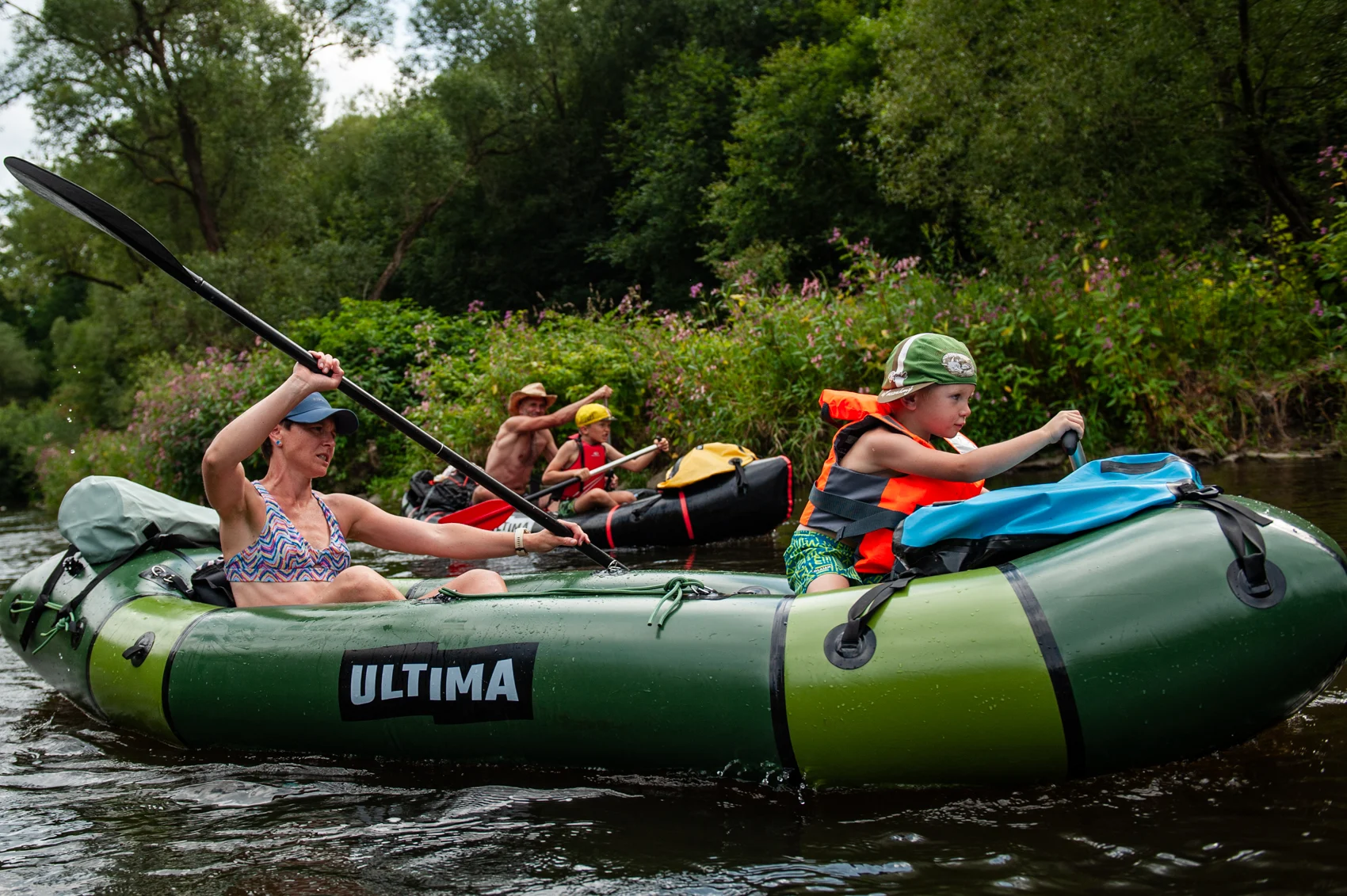
Packrafts aren’t just for lone adventurers disappearing into the wilderness somewhere up north—they’re also perfect for families with kids and their classic summer outings. A packraft for two or three people is a bit heavier and bulkier, but we’re still talking about a package weighing around 6–7 kilograms that fits
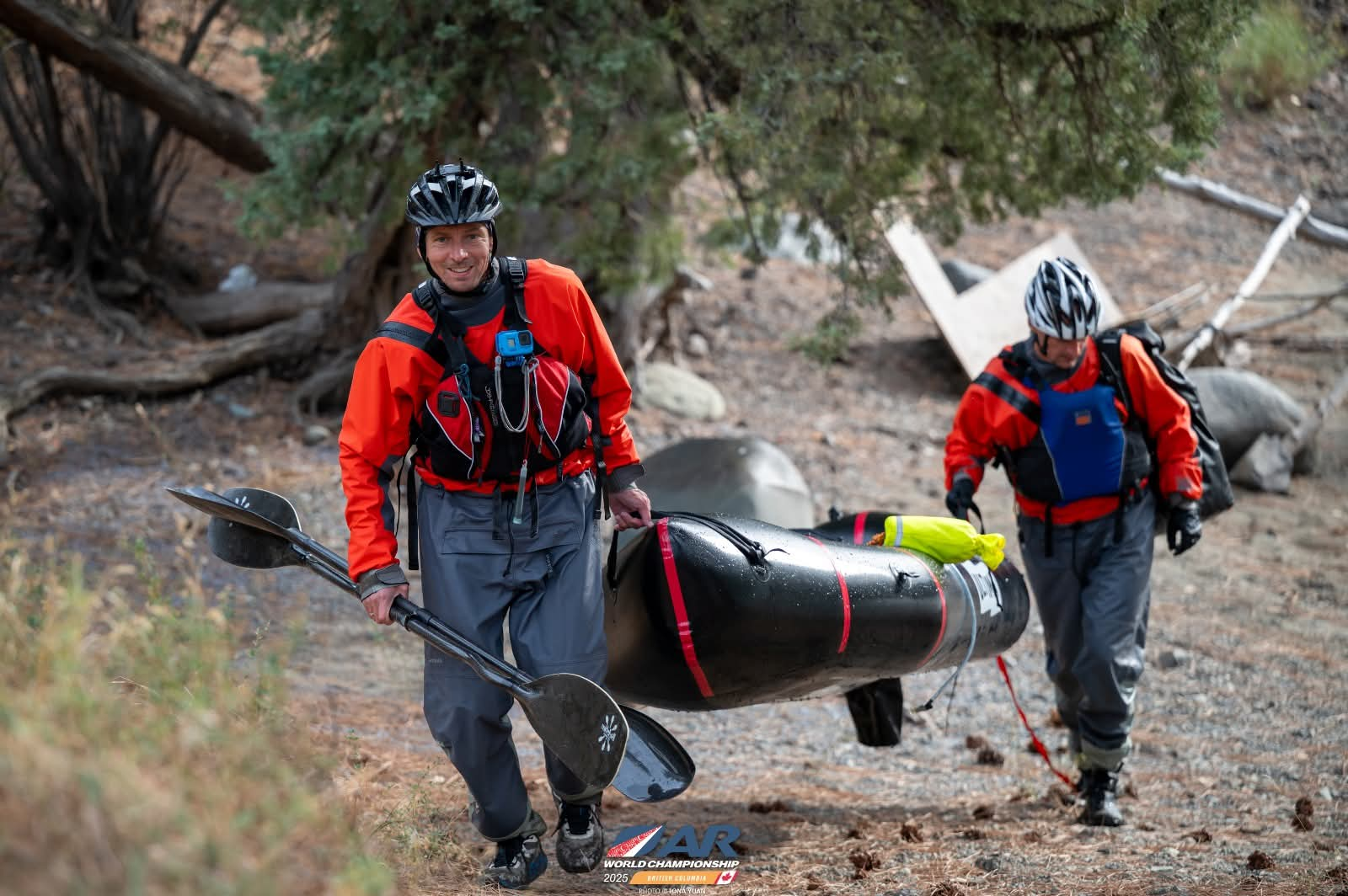
An interview with Pavel Štryncl, who traveled with his team to Canada in the fall of 2025 for the Adventure Race World Championships, equipped with Ultima Snape packrafts. Pavel, so how was it in Canada? Was it tough? The World Championships race itself is, in comparison to other races (e.g., World Cup races)

The Packraft Ultima SNAPE is here. A lightweight double designed for fast-flowing water up to WW III difficulty, whose design you will also appreciate on calm water expeditions. We have equipped the SNAPE with TPU 420D sides and a TPU 840D bottom with a self-draining closable tube. The boat is also equipped with an insertable inflatable floor, which

