An interview with Pavel Štryncl, who set out with his team for the Adventure Race World Championships in Canada in the fall of 2025, equipped with packrafts Ultima Snape.
Pavel, so how was it in Canada? Was it hard?
A World Championship race is, by its very nature, longer in both distance and duration compared to other races (such as World Cup races). The time limit for finishing the race in Canada was 9 days. Additional challenges are determined by factors such as elevation gain, weather, navigation errors, and other unforeseeable circumstances. Canada was really tough in this regard. The rain and cold weather sapped a lot of energy. And even though it wasn’t the longest race of my life, I’d probably rank it among the hardest.
How did the race itself go from your perspective?
A total of 59 teams from 25 countries around the world lined up at the start with us. We’re an experienced team that knows we have to stick to our own pace and strategy. In terms of navigation, we put on an almost flawless race. Tactically (e.g., scheduling sleep, accounting for dark zones), it was also solid. Our bike mechanics held up (we had only one flat tire), no crash from microsleep ended badly, we didn’t puncture the boats, and we made the right choices regarding equipment and food logistics. Thanks in part to good tactics, we were able to pick up the pace during the last two days of the race and move up a few places.Translated with DeepL.com (free version)

Were there any severe crises?
What’s interesting about these long races is that the same situation can be perceived differently by individual team members. Crises come and go, and how each person deals with them is a matter of individual resilience. Sleep deprivation is simply part and parcel of this type of race and cannot be considered a crisis in itself. Few people finish such a long race without some physical ailments, which only amplify every crisis during the race. But back to the question. Yes, there were crises; perhaps the worst was on the third day during a 73-kilometer trek, when we were caught in a steady rain on a cold night, and each of us had to dig deep to find the strength to finish that stage.
We're probably most interested in the packrafting part. Which river did you paddle on? Were there any rapids?
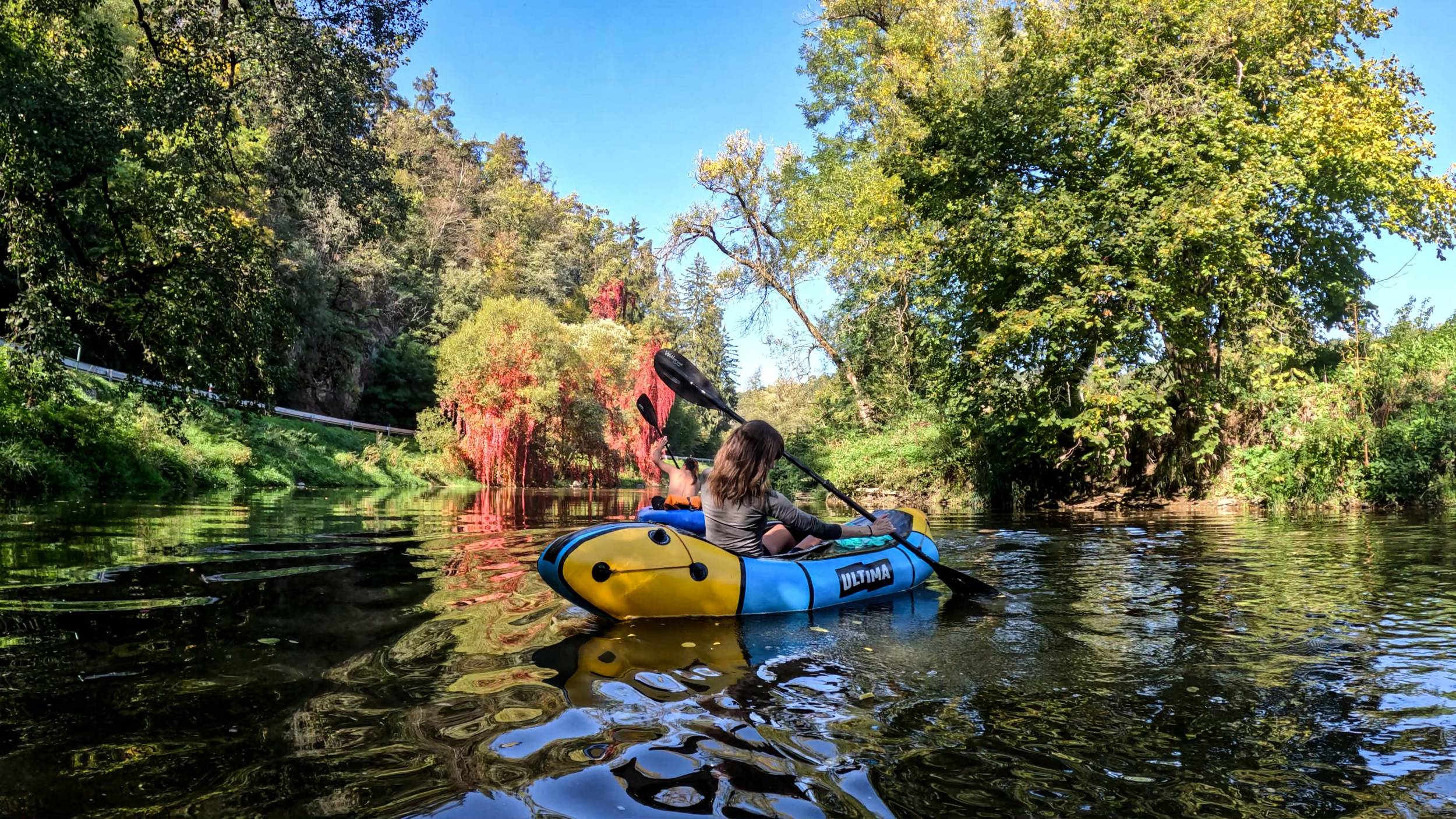
In total, we paddled 70 km on lakes and 60 km on rivers in British Columbia in western Canada. For me personally, paddling down the Thomson River was one of the most beautiful experiences of the entire race. The rivers reached a difficulty level of up to WW IV, so there were some pretty interesting rapids. It’s worth noting that we aren’t exactly expert paddlers, so we really had to work hard during these paddling sections. I should also mention that during the race, we had to carry our boats, along with all accessories and mandatory gear, across lakes several times or transport everything by bike. That meant carrying a 20-kg backpack on our backs.
You didn't have much time to test Snape, but you managed to get it done in the end. How did it go?
Packraft Snape offers a fairly wide range of accessories (floor, backrests, seats, skeg, drain hole…), so before leaving for Canada, we needed to fine-tune the seating comfort and determine the boat’s speed with different combinations of accessories. We knew that we’d be facing paddling trips of up to 10 hours in Canada. I tested the Snape on the Jizera and Ploučnice rivers before flying to Canada, and I can say that the boat didn’t disappoint us in any way. The paddling stages were a showcase of various types of packrafts, and I personally enjoyed the fact that we were using packrafts from a Czech brand.

Would a closed boat be better, or does it really matter?
About two-thirds of the teams had closed boats, while the rest of the field had open ones. When we were navigating several large rapids in a row, the closed boat definitely had an advantage because it didn’t take on as much water. On the other hand, other teams with closed boats told us that water got into their boats despite the Velcro straps used to secure the bulkheads, and they also had to bail out the water.
And what are your plans for next year?
As for adventure races, we plan to participate in the 25th edition of the Czech Adventure Race, which will take place at the end of the summer in the beautiful setting of the Czech Central Mountains. Our participation in this year’s AR World Championship, which is being held in Corsica, is still up in the air, but it would be another dream come true for us.
Foto: AR World Championships 2025

Other articles from our blog
Practical advices for every packrafter

Druhý ročník podzimního packraftového setkání jsme letos spojili s druhým ročníkem Mezinárodního packraftového festivalu. Od loňského podzmu nám přibylo přes dvacet packrafterů, kteří se chtěli svézt na Sázavě, kouknout na nějaký ten film a hlavně si zahrát a zazpívat u ohně pod Foglarovým smrkem. Po gulášku prvního večera přišlo

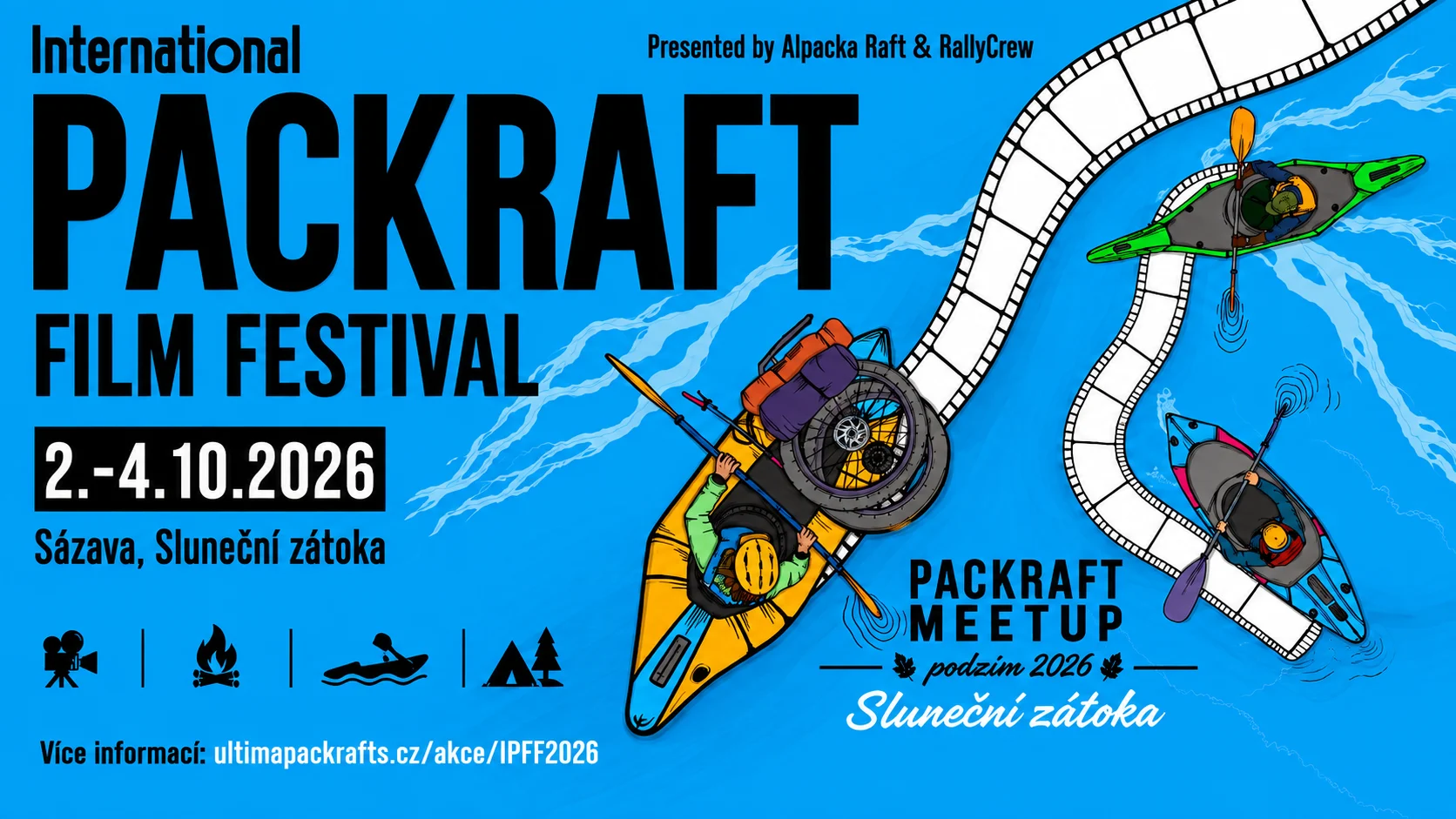
As we announced, the second annual International Packraft Film Festival will make one of its stops here for the first time. You’ll be able to watch a total of 17 short packraft films from around the world during the fall packraft meetup at Sluneční zátoka on the banks of the Sázava River. The festival takes place from spring through winter all over the world.

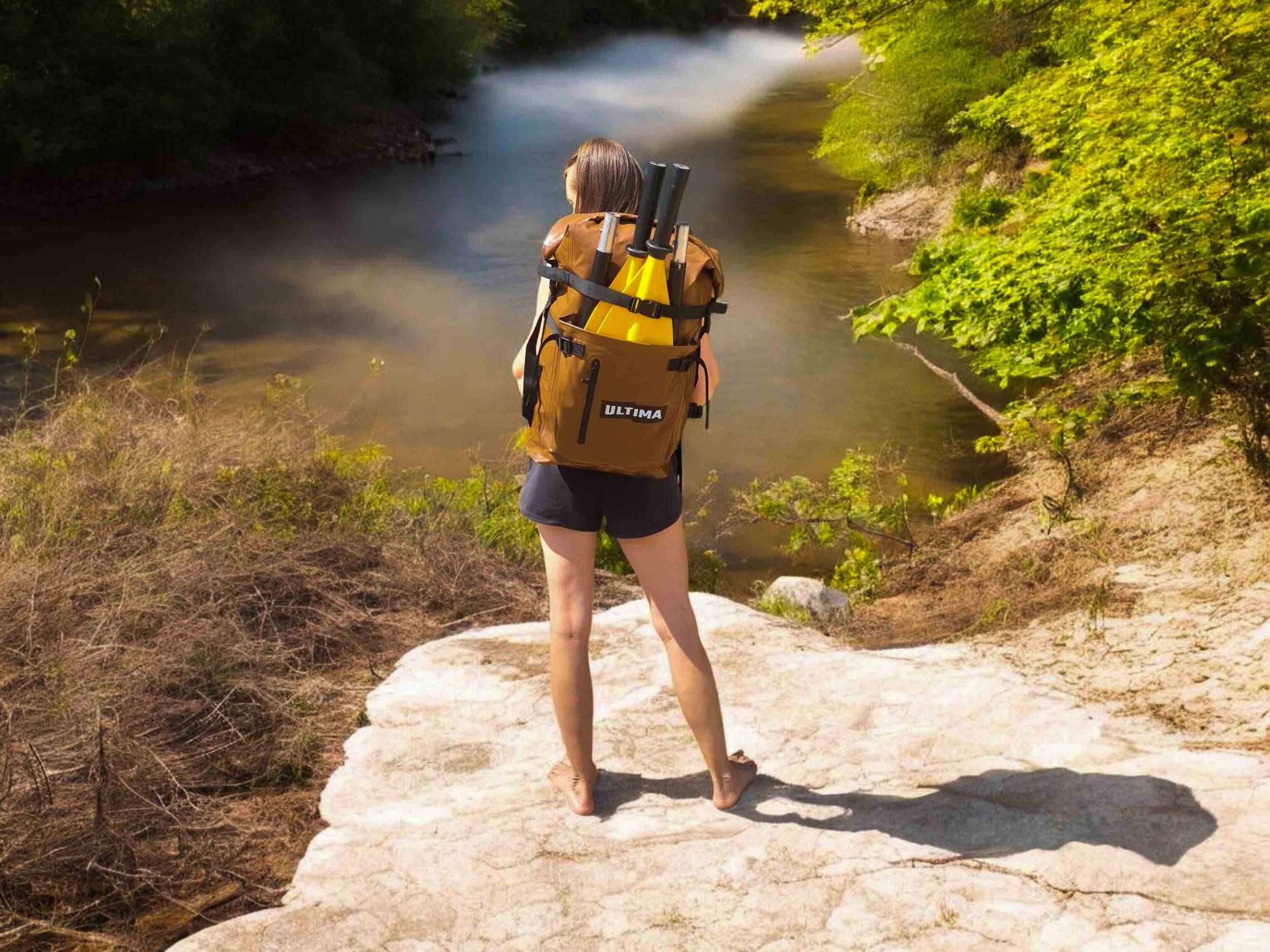
You wanted a backpack and a packraft cover. Well, here they are. Carry Bag – waterproof backpack. We chose classic 210D TPU fabric and a waterproof roll-top closure. Simple padding on the back and shoulder straps makes the backpack more comfortable to carry, and the practical front pocket is just the right size to fit a four-piece packraft paddle set. For